 By Emma Noah
Travel gives people a chance to step away from familiar routines and experience something different. A new destination can introduce travellers to unfamiliar landscapes, traditions, foods, people, and ways of life. However, choosing where to go can be challenging when there are so many possibilities.
The right destination should offer more than attractive scenery. It should suit your interests, practical needs, budget, and available time. When these elements come together, even a short trip can become a rewarding experience.
Start With What Interests You
Personal interests are a useful starting point when deciding where to travel. Instead of searching for the most popular location, think about the activities and experiences you genuinely enjoy.
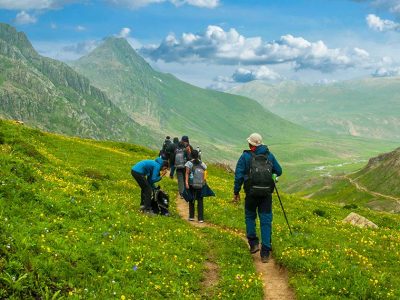
Nature lovers may prefer destinations surrounded by mountains, forests, lakes, or coastal landscapes. History enthusiasts might enjoy places with old buildings, museums, monuments, and cultural traditions. Food lovers may want to explore regions known for distinctive local cuisine.
Your interests can quickly reduce the number of choices and make the planning process more enjoyable.
Decide What Kind of Holiday You Want
Not every trip needs to be busy. Some holidays are designed for exploration, while others are about rest and recovery.
Consider the atmosphere you want:
- A peaceful escape from everyday responsibilities
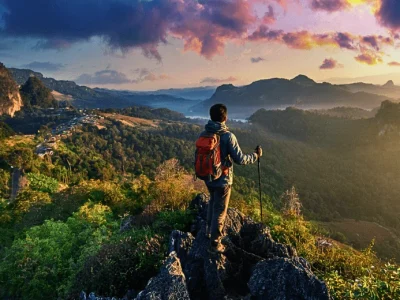
- An active trip filled with outdoor adventures
- A cultural journey focused on history and traditions
- A family holiday with convenient activities
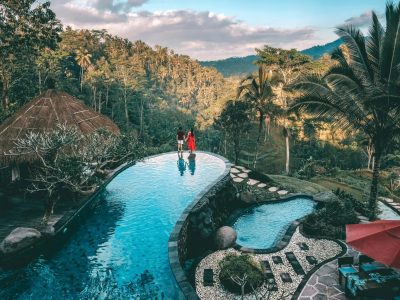
- A romantic break with comfortable surroundings
- A city experience featuring shopping, dining, and entertainment
Knowing the type of holiday you want helps you choose a destination that supports the experience rather than working against it.
Keep Your Budget in Mind
Financial planning is an essential part of choosing a destination. A trip should be enjoyable without creating unnecessary financial pressure.
Start by considering the major expenses. Transportation and accommodation may take up a significant part of your budget, but daily meals, attractions, local travel, and personal purchases should also be included.
It can be helpful to compare destinations based on their total estimated cost. A location with inexpensive transportation may still be costly once accommodation and activities are considered.
A clear budget also gives you greater confidence while travelling.
Research the Local Atmosphere
Every destination has its own character. Some places are energetic and crowded, while others offer a slower and quieter atmosphere.
Think about the environment that makes you comfortable. If you enjoy busy streets, restaurants, entertainment, and social activities, a lively urban destination may be suitable. If you prefer privacy and calm surroundings, a smaller town or natural setting could be a better choice.
Understanding the local atmosphere before travelling can prevent disappointment and help you choose a place that feels right.
Look at More Than Tourist Attractions
Popular attractions can be important, but they are only one part of a destination. Some of the most rewarding travel experiences happen away from major sightseeing areas.
Spend time exploring local markets, independent shops, neighbourhood cafés, walking paths, community spaces, and smaller cultural attractions. These places can provide a more natural view of daily life.
Travelling this way can also make your experience feel less rushed. Instead of moving from one famous landmark to another, you have an opportunity to notice the details that give a place its identity.
Consider Food and Local Traditions
Food can be one of the most enjoyable ways to connect with a destination. Regional recipes often tell stories about local history, climate, agriculture, and cultural influences.
Try traditional dishes when possible and explore different types of dining experiences. Local markets, small restaurants, bakeries, and food stalls can offer memorable flavours.
Cultural traditions deserve similar attention. Festivals, crafts, music, celebrations, and traditional activities can help visitors understand the destination from a local perspective.
Always approach unfamiliar customs with respect and curiosity.
Give Yourself Enough Time
A common travel mistake is trying to do too much in too little time. A destination may have dozens of attractions, but attempting to visit all of them can make the trip exhausting.
Prioritise the experiences that matter most and leave room for rest. A relaxed schedule allows you to spend more time at places you genuinely enjoy.
For shorter trips, choosing a destination with attractions located relatively close together can make the experience more efficient.
Think About Convenience and Safety
Practical details should never be overlooked. Transportation, accommodation, communication, accessibility, and general convenience can affect the quality of your holiday.
Before travelling, understand how easy it is to move around the destination. Consider whether public transportation is available, whether attractions are accessible, and whether essential services are easy to reach.
It is also sensible to understand local rules and customs before arrival. Being prepared can reduce unnecessary stress and allow you to concentrate on enjoying the journey.
Leave Room for Spontaneity
A detailed plan can be useful, but some of the best travel memories come from unexpected experiences.
Leave a little free time in your itinerary. You may find an interesting local event, discover a beautiful street, meet welcoming people, or find a place that deserves more time than expected.
Flexibility gives you the freedom to change your plans when something interesting appears.
Choose a Destination That Feels Right
There is no universally perfect destination. The right choice depends on the traveller.
Rather than selecting a place simply because it is fashionable or widely recommended, consider whether it matches your personal expectations. Think about your interests, budget, preferred atmosphere, travel time, seasonal conditions, and desired activities.
A destination becomes meaningful when it allows you to enjoy the journey in your own way. With thoughtful preparation and an open mind, the place you choose can offer far more than sightseeing. It can provide new perspectives, memorable moments, and experiences that stay with you long after the journey ends.