 By Emma Noah
Travel is more than moving from one place to another. It is an opportunity to discover new surroundings, experience different cultures, meet interesting people, and create memories that remain long after the journey ends. Choosing the right destination can make a major difference in how enjoyable and meaningful a trip becomes. Whether you are planning a relaxing holiday, an adventurous escape, a family vacation, or a short weekend break, the destination should match your interests, budget, and expectations.
What Makes a Destination Special?
Every destination has something different to offer. Some places are known for beautiful landscapes, while others attract visitors with historic landmarks, local traditions, food, shopping, or outdoor activities. A great destination does not necessarily have to be famous or expensive. Sometimes, less crowded locations can provide a more peaceful and authentic travel experience.
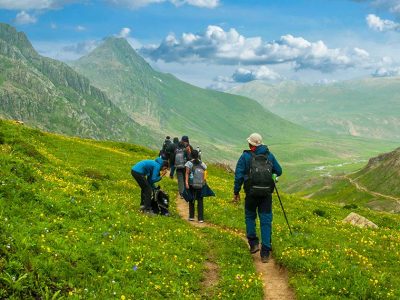
The best choice depends on what you want from your trip. A traveller looking for relaxation may prefer a quiet coastal town, while someone interested in adventure may enjoy mountains, forests, or areas with exciting outdoor activities.
Consider the Purpose of Your Trip
Before choosing a destination, think about why you are travelling. Having a clear purpose makes it easier to narrow down your options.
For example, you may want to:
- Relax and escape from a busy routine
- Explore history and local culture
- Enjoy outdoor adventures
- Spend quality time with family
- Experience local food and traditions
- Discover art, architecture, and entertainment
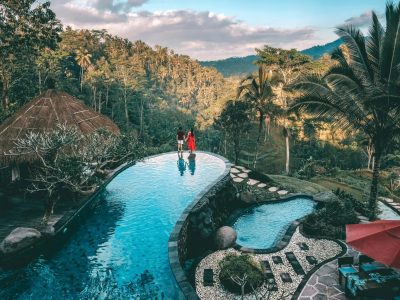
- Enjoy a romantic getaway
- Take a short break without extensive planning
Understanding your main goal helps you select a place that offers the experiences you actually want.
Think About Your Budget
Budget is one of the most important factors when selecting a destination. The total cost of a trip includes more than transportation and accommodation. Meals, sightseeing, local travel, activities, shopping, and unexpected expenses can all affect the final cost.
A destination that appears affordable at first may become expensive because of high accommodation prices or costly attractions. On the other hand, some destinations offer excellent experiences at reasonable prices.
Creating a simple travel budget before making a decision can help you compare destinations realistically. It is also wise to keep some extra money available for emergencies or spontaneous experiences.
Choose the Right Season
Weather can strongly influence a travel experience. A destination may be beautiful throughout the year, but certain seasons may be more comfortable or suitable for particular activities.
Before finalising your plans, consider:
- Temperature and rainfall
- Peak and off-peak travel periods
- Local festivals and events
- Crowds and accommodation demand
- Seasonal activities
- Possible weather disruptions
Travelling during a quieter season can sometimes provide better prices and a more relaxed atmosphere. However, make sure the weather still suits your planned activities.
Look Beyond Popular Attractions
Well-known landmarks can be worth visiting, but a destination often has much more to offer beyond its famous sights. Exploring local neighbourhoods, markets, cafés, parks, walking routes, and smaller cultural attractions can make a trip feel more personal.
Speaking with local people can also reveal places that are not always highlighted in standard travel plans. These experiences can introduce visitors to everyday life and provide a deeper understanding of the area.
A balanced trip can include major attractions while leaving enough time for unplanned exploration.
Food Can Shape the Experience
Local food is an important part of discovering a destination. Regional dishes often reflect the history, climate, traditions, and lifestyle of a community.
Trying local meals can turn an ordinary trip into a memorable experience. Visitors can explore traditional restaurants, street food, bakeries, markets, and family-run cafés. It is also useful to consider dietary preferences and food availability when selecting a destination.
Food experiences do not always need to be expensive. Local markets and small eateries can provide authentic flavours while keeping spending under control.
Plan Without Overplanning
Good preparation can make travel easier, but an overly detailed schedule can remove the enjoyment of discovering a place naturally. Instead of filling every hour, identify a few important activities and leave some free time.
A flexible plan allows you to:
- Spend longer at places you enjoy
- Discover unexpected attractions
- Rest when needed
- Adjust plans because of weather
- Enjoy local experiences without rushing
The ideal travel plan provides structure while still allowing room for spontaneity.
Travel Responsibly
Choosing a destination also means thinking about its environment and local communities. Responsible travel can help protect natural areas, support local businesses, and preserve cultural traditions.
Simple choices can make a difference. Visitors can reduce unnecessary waste, respect local customs, avoid damaging natural environments, and choose locally owned businesses when possible.
Being a considerate traveller improves the experience not only for visitors but also for the people who live in the destination.
Making the Final Choice
Selecting a destination does not have to be complicated. Start by identifying your travel purpose, budget, preferred activities, available time, and ideal season. Then compare a few options based on what matters most to you.
The perfect destination is not necessarily the one with the longest list of attractions. It is the place that fits your interests and allows you to enjoy the journey at your own pace.
Ultimately, travel is about experiences rather than simply collecting places on a map. With thoughtful planning and an open mind, almost any destination can become the setting for a rewarding and memorable adventure.