
 By Emma Noah
Bangkok offers a wide range of premium apartments, but the best purchase is rarely the one with the most dramatic lobby or the highest floor. Anyone looking to buy a luxury condo in Bangkok should compare location, building management, layout, facilities and long-term ownership costs with the same care as the interior finish.
Layout Often Matters More Than Headline Size
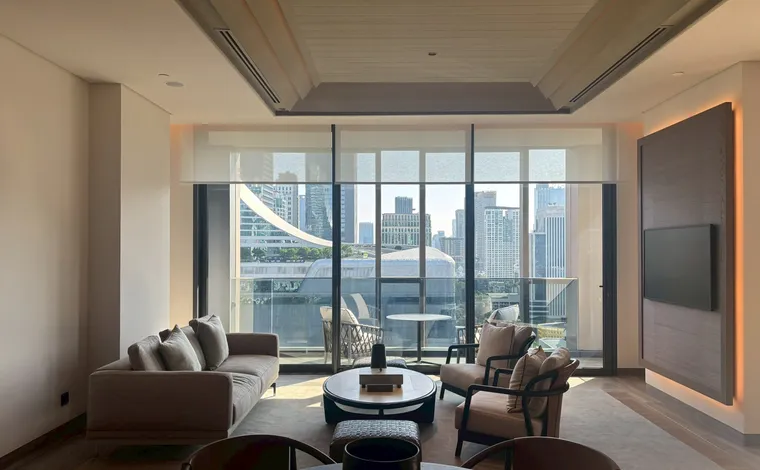
Two apartments with the same floor area can feel completely different. One may use space efficiently, while another loses a large amount to corridors, awkward corners or oversized circulation areas. This is why buyers should look closely at how the home works, not just the number of square metres.
Living areas should feel usable, bedrooms should have enough privacy and storage should be practical. In larger homes, staff areas, kitchens and utility spaces may also matter. A beautiful open-plan layout can look impressive during a viewing but feel less practical if there is nowhere to hide everyday clutter.
Furniture placement is another useful test. If a room only works with one very specific arrangement, flexibility may be limited. Good layouts tend to remain comfortable even as the owner’s needs change.
The Building Itself Deserves As Much Attention As The Unit
Buyers sometimes focus so heavily on the apartment that they overlook the wider building. Management quality, maintenance standards, security, lift performance, parking and common areas all influence the ownership experience.
A building with excellent facilities may still disappoint if those facilities are poorly maintained or overcrowded. Conversely, a development with a more modest amenity list may feel better managed and more private.
It is worth looking beyond the show unit. Walk through the actual common areas, inspect the pool and gym, observe how staff interact with residents and consider whether the building feels well cared for. These details give a more realistic sense of long-term quality.
Location Should Be Judged By Daily Life
A central postcode is useful, but micro-location matters. A condominium can be close to major roads or public transport yet still feel inconvenient because of traffic, difficult pedestrian access or limited nearby amenities.
Think about the journeys that will happen most often. How long will it take to reach work, schools, restaurants or transport links at the times you are actually likely to travel? Is the area easy to navigate on foot? Are there supermarkets, healthcare and other useful services nearby?
For investors, location also affects tenant demand and resale appeal. A property that suits the owner personally may not necessarily be the one with the broadest rental market. Buyers should be clear about which priority matters most.
Ownership Costs Need To Be Understood Properly
The purchase price is only one part of the commitment. Common area fees, maintenance, insurance, repairs, furnishing and future renovation all add to the real cost of ownership.
Buyers should also understand whether major building works are planned and how the development handles long-term maintenance. A premium property can lose appeal if shared areas decline or if owners face unexpected costs because reserves have not been managed properly.
For investment purchases, rental assumptions should be tested conservatively. Vacancy, management fees and maintenance can reduce the headline return significantly.
A good luxury condominium should remain attractive after the excitement of the viewing has passed. By comparing the layout, building, location and ownership costs together, buyers can make a decision based on how the property will actually perform over time.