 By Emma Noah
A memorable journey often begins with one important decision: choosing where to go. The destination sets the tone for the entire trip, influencing the activities you enjoy, the food you discover, the people you meet, and the memories you bring home. With so many places available to explore, making that choice can sometimes feel more complicated than expected.
The best destination is not necessarily the most famous one. It is the place that fits your personal interests, travel style, budget, and expectations.
Understand Your Reason for Travelling
Before looking at different destinations, identify what you hope to gain from your journey. A clear purpose makes it easier to choose a suitable location.
You may be looking for a peaceful break after a busy period, an exciting adventure, a cultural experience, or quality time with family and friends. Each type of trip requires different surroundings and activities.
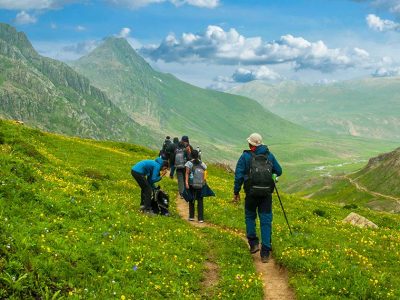
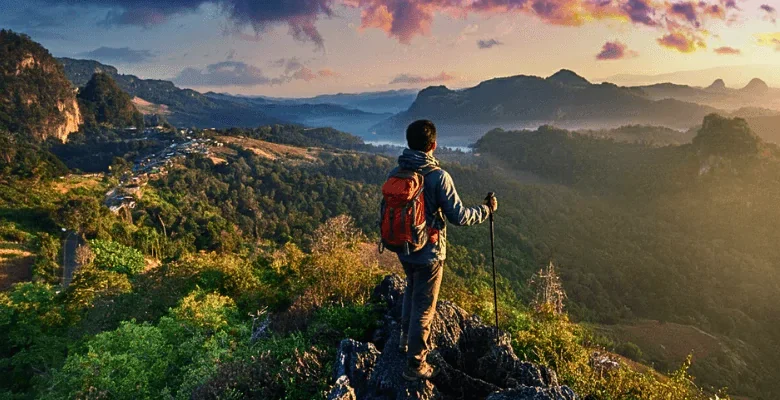
For example, someone seeking relaxation may appreciate a quiet coastal area, while an adventurous traveller may prefer a destination offering hiking, cycling, water sports, or nature exploration.
Consider Your Available Time
The length of your holiday should influence your destination choice. If you only have a few days, spending many hours travelling may leave little time for exploring.
Short breaks are often more enjoyable when the destination is easy to reach and has several attractions within a manageable area. Longer holidays provide greater flexibility and allow travellers to explore distant locations or combine several areas in one trip.
Think about how much time you realistically want to spend travelling compared with enjoying the destination itself.
Build a Practical Budget
Money is an important part of travel planning. A destination may look affordable until additional expenses are considered.
Your budget should account for:
- Transportation
- Accommodation
- Food and drinks
- Local travel
- Attractions and activities
- Shopping
- Emergency expenses
Instead of focusing on one major cost, estimate the overall price of the journey. This gives you a clearer understanding of whether a destination is genuinely affordable.
A sensible budget also allows you to enjoy spontaneous experiences without worrying about every small expense.
Think About the Ideal Season
Seasonal conditions can completely change the character of a destination. Weather affects outdoor activities, sightseeing, transportation, and even the availability of certain attractions.
Consider what type of conditions you prefer. Some travellers enjoy warm weather and outdoor activities, while others prefer cooler temperatures and quieter surroundings.
It is also worth considering visitor numbers. Peak travel periods can create lively atmospheres but may also bring crowds and higher prices. Travelling at a less busy time can provide a calmer experience.
Explore Local Culture
One of the greatest benefits of travel is the opportunity to experience a different culture. A destination can introduce visitors to new traditions, languages, art forms, celebrations, architecture, and ways of life.
Try to include experiences that go beyond standard sightseeing. Visit local markets, explore traditional neighbourhoods, attend cultural events, or learn about the area’s history.
Approaching local culture with curiosity and respect can make a trip much more rewarding. It also encourages meaningful interaction with the community.
Make Food Part of the Journey
Local cuisine can tell you a great deal about a destination. Ingredients, cooking methods, and traditional recipes often reflect the region’s history and environment.
Instead of relying entirely on familiar meals, consider trying local specialities. Small restaurants, markets, bakeries, and family-owned food businesses can provide memorable dining experiences.
Food can also become a way to connect with local people. Asking about traditional dishes or learning how a particular meal is prepared can add another layer to your travel experience.
Choose Activities That Match Your Energy
Not every traveller wants the same pace. Some people enjoy packed schedules, while others prefer to spend several hours relaxing in one place.
Think about how you naturally like to spend your time. If you enjoy being active, choose a destination with plenty of opportunities for exploration. If you prefer slower travel, select a location where you can comfortably enjoy cafés, scenery, cultural spaces, and relaxed walks.
A trip should feel enjoyable rather than exhausting.
Do Not Ignore the Small Details
Practical factors can have a major effect on your experience. Transportation options, accommodation locations, accessibility, local services, and communication facilities are all worth considering.
Choosing accommodation close to the areas you want to explore can reduce unnecessary travel. Understanding local transportation before arrival can also make the first few days easier.
If you are travelling with children, older family members, or people with specific accessibility needs, consider those requirements before selecting a destination.
Keep Your Plans Flexible
Planning provides direction, but leaving some room for change can make travel more enjoyable. Unexpected opportunities often appear once you arrive.
A local event may take place during your visit, a scenic walking route may catch your attention, or you may discover a restaurant that deserves an extra hour. A flexible itinerary allows you to enjoy these moments instead of worrying about staying on a strict schedule.
The most memorable experiences are not always the ones written into the original plan.
Make the Choice Personal
Choosing a destination should ultimately be about what you want from the journey. Trends and popular recommendations can provide inspiration, but they should not determine your decision completely.
Think about the places, activities, foods, landscapes, and experiences that genuinely interest you. Then consider your budget, time, preferred season, and practical needs.
When a destination matches these factors, the journey becomes easier to enjoy. More importantly, it becomes personal. Whether the trip lasts a weekend or several weeks, the right destination can offer fresh perspectives, meaningful experiences, and memories that remain valuable long after the journey is over.