 By Emma Noah
Travelling to a new place can be exciting, but exploring an unfamiliar destination is often easier with the right guidance. A tour guide can help visitors understand local history, culture, traditions, landmarks, and everyday life while making the journey more organised and engaging. Rather than simply showing travellers where to go, a skilled guide can explain the meaning behind the places they visit and help create a more complete travel experience.
Whether you are visiting a historic city, exploring natural landscapes, or discovering a new culture, choosing the right tour guide can add considerable value to your trip.
What Does a Tour Guide Do?
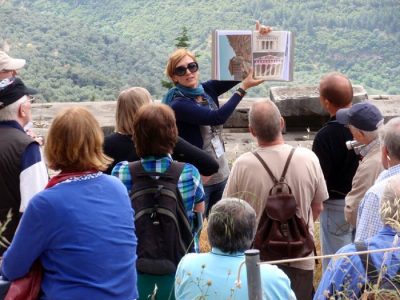
A tour guide is a person who helps visitors explore and understand a destination. Their responsibilities can vary depending on the type of tour, location, and group.
A guide may:
- Explain historical events and local traditions
- Lead visitors through popular attractions
- Share information about architecture and culture
- Suggest local food and activities
- Help organise the day’s route
- Answer questions from travellers
- Provide practical information about the area
A good guide combines knowledge with communication skills, making information easier and more enjoyable to understand.
Why Choose a Tour Guide?
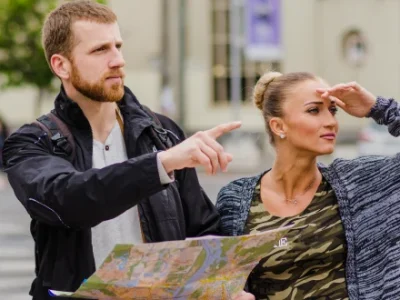
Exploring independently offers freedom, but it can sometimes leave travellers unsure about what they are seeing. Important details about a landmark may not be obvious without local knowledge.
A tour guide can provide context that turns sightseeing into a meaningful experience. Instead of simply looking at an old building, for example, visitors can learn why it was constructed, how it was used, and what role it played in the development of the area.
Guided experiences can also save time by creating an organised route around important attractions.
Local Knowledge Makes a Difference
One of the greatest advantages of using a tour guide is access to local knowledge. Guides often understand the destination beyond what is available in basic travel information.
They may know about:
- Less crowded attractions
- Local customs
- Traditional foods
- Interesting neighbourhoods
- Cultural events
- Scenic viewpoints
- Practical transportation options
This knowledge can help visitors discover a side of the destination they might otherwise miss.
Different Types of Tours
Tour guides work across many types of travel experiences. Choosing the right tour depends on your interests and the kind of trip you want.
Popular options include:
Historical Tours
These tours focus on monuments, historic buildings, important events, and the development of a destination. They are ideal for travellers who enjoy learning about the past.
Cultural Tours
Cultural tours introduce visitors to local traditions, crafts, food, celebrations, music, and everyday life.
Nature Tours
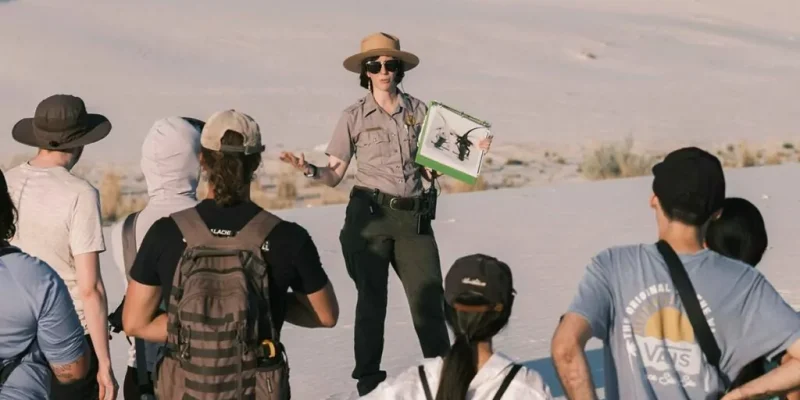
Nature-focused guides help travellers explore forests, mountains, wildlife areas, coastlines, and other natural environments while explaining local ecosystems.
Food Tours
Food tours allow visitors to discover regional dishes and understand how local ingredients and traditions influence cuisine.
Walking Tours
Walking tours are often a relaxed way to explore streets, neighbourhoods, markets, and landmarks while receiving information along the way.
Choosing the Right Guide
The quality of a guided experience depends heavily on the person leading it. A knowledgeable guide should also be approachable, patient, organised, and able to communicate clearly.
Before choosing a guide, consider the focus of the tour and whether it matches your interests. Think about group size as well. Smaller groups may provide more opportunities to ask questions and interact directly with the guide.
It is also useful to consider the length and physical demands of the tour. A long walking experience may not be suitable for every traveller.
Communication Is Important
A guide may have excellent knowledge, but that information is most useful when communicated clearly. Good guides avoid overwhelming visitors with unnecessary details and instead explain important points in an engaging way.
They should also encourage questions. Travellers often become more interested when they can interact with the guide rather than simply listen to a long presentation.
A friendly and conversational approach can make the experience feel more natural.
Make Time for Questions
One advantage of having a guide is the opportunity to ask questions that may not be answered by signs or standard information.
You might want to know how local people celebrate a festival, why a particular building has a unique design, or which traditional foods are worth trying.
Do not hesitate to ask. Questions can make a tour more personal and help you learn details that are particularly relevant to your interests.
Respect the Destination
A responsible tour guide should encourage visitors to respect the local community and environment. Travellers should follow local rules, avoid damaging historic or natural sites, and behave appropriately in public spaces.
Respect also means understanding that different cultures may have different customs and expectations. A good guide can help visitors understand these differences and behave thoughtfully.
Responsible tourism benefits both visitors and the communities they visit.
Enjoy the Experience Without Rushing
It can be tempting to visit as many attractions as possible during a holiday. However, rushing from one location to another can reduce the enjoyment of the experience.
A good tour should provide enough time to observe, ask questions, take photographs where appropriate, and appreciate the surroundings.
Allow yourself to focus on the experience rather than simply counting how many places you have visited.
A Guide Can Transform a Journey
A tour guide can turn ordinary sightseeing into an educational and memorable experience. Through local knowledge, storytelling, practical advice, and cultural insight, a guide helps travellers understand a destination on a deeper level.
The right guide does more than lead a group from one attraction to another. They create connections between visitors and the places they explore.
For travellers who want to learn, discover, and experience a destination more confidently, a knowledgeable tour guide can be one of the most valuable parts of the journey.