 By Emma Noah
Exploring a new destination can be one of the most rewarding parts of travelling. New streets, unfamiliar traditions, historic landmarks, local food, and different landscapes can make a journey memorable. Yet, without local knowledge, visitors may overlook important details or spend valuable time trying to understand where to go.
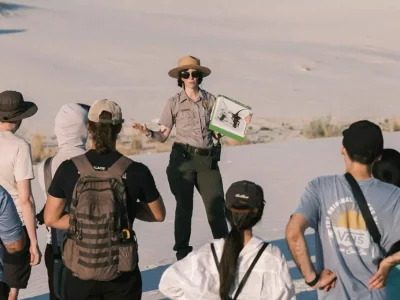
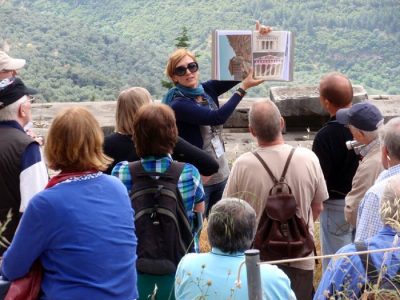
A tour guide can bridge that gap. By combining destination knowledge with storytelling and practical assistance, a skilled guide can help travellers experience a place with greater confidence and understanding.
The Value of Guided Travel
Travelling independently provides freedom, but a guided experience offers a different kind of advantage. A knowledgeable guide can explain what makes a location significant and provide information that visitors might not discover on their own.
A building, monument, market, or natural landmark can have a fascinating story that is not immediately visible. A guide can provide the background needed to appreciate it.
Guided travel can also make the journey more organised, especially when visitors have limited time.
Knowledge Beyond Basic Information
A good tour guide does more than repeat facts. Local knowledge can provide insight into the character of a destination.
A guide may explain:
- Local history and traditions
- The meaning behind cultural practices
- Regional food and ingredients
- Important landmarks
- Local neighbourhoods
- Seasonal celebrations
- Appropriate visitor behaviour
These details can make sightseeing feel more connected to the destination rather than like a simple checklist of attractions.
Different Experiences for Different Travellers
Not everyone wants the same kind of tour. Some visitors enjoy history, while others prefer food, nature, architecture, shopping, or local culture.
Tour guides may specialise in different experiences, making it easier to find an option that matches your interests.
A history-focused tour may explore monuments and old neighbourhoods. A food tour may introduce regional dishes and traditional markets. A nature guide may lead visitors through scenic landscapes while explaining local plants and wildlife.
Choosing a tour based on personal interests can make the experience much more enjoyable.
The Importance of Storytelling
Facts are useful, but stories often make them memorable. An experienced guide knows how to turn information into an engaging narrative.
Instead of simply stating when a building was constructed, a guide might explain the people connected to it, the events that took place there, and how the location changed over time.
Good storytelling creates a stronger connection between travellers and the destination. It can also make complicated historical or cultural information easier to understand.
A Guide Can Save Valuable Time
Planning a trip independently can require considerable research. Visitors need to decide which attractions to visit, how to reach them, how long to stay, and what order makes sense.
A tour guide can simplify this process by organising the route and managing the timing.
This can be particularly useful during short trips. Instead of spending hours deciding what to do, travellers can focus their time on experiencing the destination.
Local Recommendations Add Extra Value
Visitors often want to know where locals eat, shop, relax, and spend their free time. A knowledgeable guide can provide useful suggestions based on personal experience and local familiarity.
Recommendations may include:
- Traditional restaurants
- Local markets
- Interesting walking routes
- Cultural venues
- Quiet scenic locations
- Regional specialities
- Suitable activities
These suggestions can help travellers continue exploring even after the guided experience ends.
Choosing a Suitable Tour Guide
The right guide should be knowledgeable, professional, friendly, and easy to communicate with. However, travellers should also consider whether the guide’s style matches their expectations.
Some guides provide detailed historical explanations, while others create relaxed and conversational experiences. Some specialise in private tours, while others work with larger groups.
Think about the pace and format that would make you most comfortable.
It is also important to consider the physical requirements. Walking tours may involve long distances or uneven surfaces, so travellers should choose an experience suitable for their abilities and preferences.
Private or Group Experiences
Both private and group tours have their advantages. A private tour can provide greater flexibility and allow the guide to focus more closely on individual interests.
Group tours can be more social and may offer a structured experience at a lower overall cost. They also provide opportunities to meet other travellers.
The best choice depends on your budget, preferred level of personal attention, and travel style.
Ask Questions and Stay Curious
A guided tour becomes more valuable when travellers participate actively. Ask questions whenever something interests you.
You may want to learn more about local traditions, historical events, architecture, food, or everyday life. A simple question can lead to a fascinating conversation and provide information that was not originally part of the tour.
Curiosity can turn a standard sightseeing experience into a genuine learning opportunity.
Respect Local Customs
Travellers should always remember that they are visitors. A responsible guide can help explain appropriate behaviour, but visitors should make an effort to respect local expectations.
Dress appropriately when required, follow rules at cultural and historic sites, avoid disturbing residents, and treat public spaces with care.
Responsible behaviour helps preserve destinations and creates a more positive experience for everyone.
More Than Just Sightseeing
A tour guide can change the way travellers experience a destination. Instead of simply seeing landmarks, visitors can understand their stories, cultural importance, and connection to local life.
The best guides encourage curiosity, answer questions, share useful knowledge, and create an atmosphere where travellers feel comfortable exploring.
For anyone who wants to discover a new place with greater insight, a skilled tour guide can provide more than directions. They can turn a journey into an opportunity to learn, connect, and create lasting memories.